
Quick Summary
Before buying a rental property, confirm it fits your goals, time and finances. Check that you can cover the mortgage and expenses for several months without rent, run the numbers to see if it produces positive cash flow, and complete due diligence on condition, financing and risk.
- Ask whether you have the time for tenant calls, repairs and paperwork, or will hire help.
- Test cash flow by subtracting taxes, insurance, utilities, repairs and vacancy from market rent.
- Stress test the numbers with higher interest rates and lower rents before committing.
- Order a professional home inspection and budget for major systems like the roof and furnace.
- Interview more than one property manager and ask for references from current owners.
Table of Contents
- Is a Rental Property Right for Your Goals and Time?
- Checking the Numbers: Purchase Price, Rent and Cash Flow
- Rental Property Due Diligence: Condition, Financing and Risk
- Deciding Whether to Hire a Property Manager
- Frequently Asked Questions
Is a Rental Property Right for Your Goals and Time?
Owning a rental property is not for everyone, and the first question to ask is whether it fits your goals, your experience and the hours you can realistically give it. A rental can build long-term wealth, but it also adds a monthly obligation that does not pause when life gets busy. Before you look at a single listing, be clear about why you want the property and how much attention it will need.
Ask yourself these questions:
- What is my target return, and over what time frame?
- Do I have the time to handle tenant calls, repairs and paperwork, or will I hire help?
- Can I cover the mortgage and expenses for several months with no rent coming in?
- Am I comfortable being a landlord under Alberta’s residential tenancy rules?
If the answers feel uncertain, that is useful information. Working through them early keeps you from buying a property that suits a different life stage than the one you are in. Speak with a realtor who works with investors, Alberta government residential tenancies guidance to understand your obligations as a landlord.
[PAGE: Choosing a Realtor for Investment Properties in Calgary | section:Is a Rental Property Right for Your Goals and Time?]
Checking the Numbers: Purchase Price, Rent and Cash Flow
The numbers decide whether a rental property works, and the purchase price is only the starting point. Cash flow is what remains after rent covers the mortgage, property taxes, insurance, maintenance and vacancy. A property can look attractive on price and still lose money each month.
Run the math before making an offer:
- Market rent: Confirm what comparable units actually rent for, not what the seller hopes to achieve.
- Operating costs: Add property taxes, insurance, utilities you pay and a reserve for repairs.
- Vacancy allowance: Plan for months without a tenant, even in a strong market.
- Monthly cash flow: Subtract every cost from rent to see what you keep.
Keep a simple worksheet and test the figures with higher interest rates and lower rents before committing.
[PAGE: Calgary Real Estate Investment Property Tips for Buyers | section:Checking the Numbers: Purchase Price, Rent and Cash Flow]
Before making an offer, run these numbers to see whether the property will actually keep money each month.
| Item | What to check | Note |
|---|---|---|
| Market rent | Rent for comparable units | Use actual rents, not the seller’s hope |
| Operating costs | Property taxes, insurance, utilities, repair reserve | Subtract all of them from rent |
| Vacancy allowance | Months without a tenant | Plan for it even in a strong market |
| Monthly cash flow | Rent minus every cost | Shows what you actually keep |
| Stress test | Higher interest rates and lower rents | Test before committing |
Rental Property Due Diligence: Condition, Financing and Risk
Due diligence protects you from surprises after closing. Inspect the building, confirm the financing terms and review the risks that could affect income or resale. Older homes often need the most attention, so budget for major systems such as the roof, furnace, water heater and electrical panel. Checking each major system alongside the financing and resale risks helps make an investment property due diligence checklist part of a sound decision before closing.
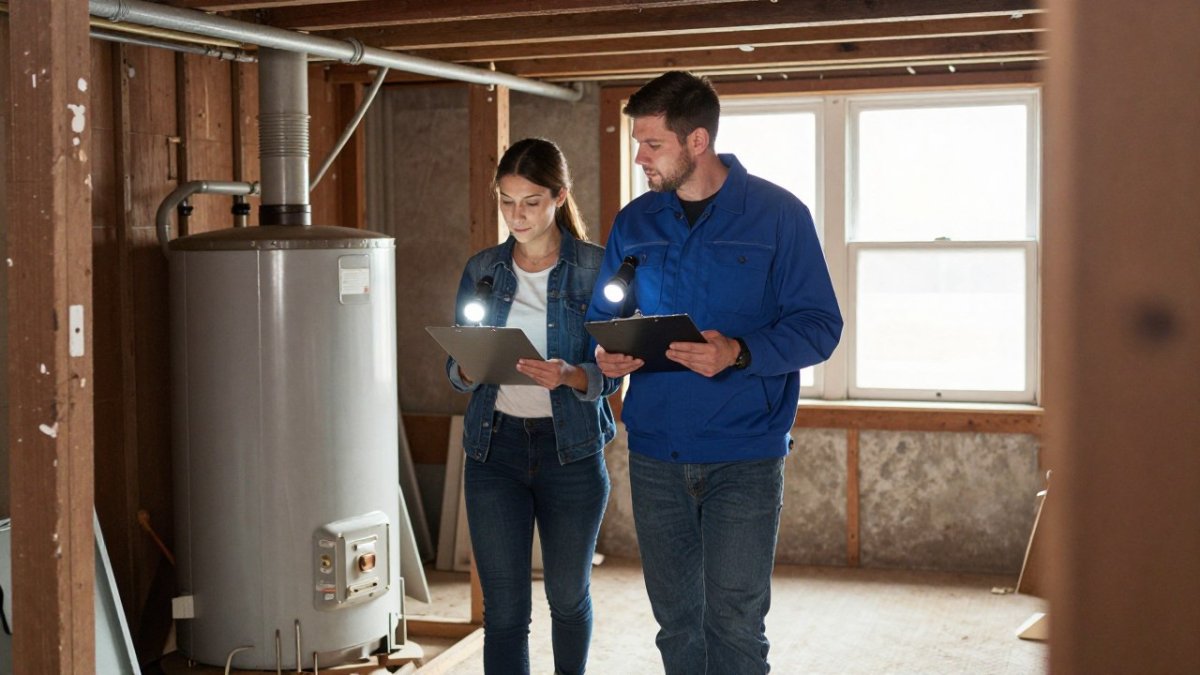
Use this checklist before you commit:
- Order a professional home inspection and review the findings closely.
- Get pre-approved and compare mortgage options, including how rate changes would affect payments.
- Review property tax records and any condo or strata fees.
- Confirm insurance costs with a provider before you buy.
- Check local zoning and any rules that limit short-term or multi-unit rentals.
Lenders and regulators set the rules for financing, so Office of the Superintendent of Financial Institutions is a useful reference for understanding mortgage rules in Canada. Watch out: a low interest rate today can rise at renewal, so test your cash flow against a higher rate.
[PAGE: How to Buy Investment Property Interest Rates Wisely | section:Rental Property Due Diligence: Condition, Financing and Risk]
Deciding Whether to Hire a Property Manager
A property manager takes on tenant screening, rent collection, maintenance calls and legal notices. The fee is a real cost, usually a percentage of monthly rent, so weigh it against the time you would otherwise spend. Self-managing can work well for a single nearby unit, but it becomes harder with distance, multiple properties or a full-time job.
Ask any manager these questions before signing:
- What is the monthly fee, and what does it include?
- How do you screen tenants and handle late rent?
- Who approves repairs above a set dollar amount?
- How often will I receive financial statements?
Choosing the right help matters as much as choosing the property. Learn how to hire a realtor for an investment property before you start interviewing candidates. It is worth interviewing more than one candidate and asking for references from current owners.
[PAGE: How to Hire a Realtor for an Investment Property | section:Deciding Whether to Hire a Property Manager]
Frequently Asked Questions
What should I know before buying my first rental property?
Confirm that you have enough cash for the down payment, closing costs and a reserve for repairs before you make an offer. Lenders will look at your credit score and debt load, so review both early. Then test the deal against realistic market rent and monthly costs, including property taxes, insurance and maintenance. A first purchase should cover its own expenses from rent, even in a vacant month, so you are not forced to sell or borrow more if something goes wrong.
How do I know if a rental property will be profitable?
Compare the expected rent against the full monthly cost of owning the property: mortgage payment, property taxes, insurance, utilities you pay, maintenance and a vacancy allowance. The difference is your cash flow. Positive cash flow after these costs is a stronger sign than a low purchase price. Run the numbers at a higher interest rate and a longer vacancy period to see whether the property still works under less favourable conditions.
Should I hire a property manager for a rental property?
Hiring a property manager usually costs a percentage of the monthly rent, so factor that into your cash flow before deciding. Self-management makes sense if you live nearby, have time for tenant screening, repairs and rent collection, and are comfortable with landlord responsibilities under Alberta’s tenancy rules. If you live far away or own several units, a property manager can be worth the cost. Ask about tenant placement fees, maintenance markups and how they handle emergencies.
